
The best portable drawing tablets make it easier to sketch, illustrate, and edit wherever inspiration strikes. This lineup includes standalone Android tablets, display tablets that connect to a computer, and compact pen tablets for flexible creative setups.
We focus on pressure sensitivity, portability, pen performance, screen quality, compatibility, and overall value so you can choose a tablet that matches your workflow—not just the largest feature list.
Best 10 Portable Drawing Tablets Picks for 2026
Best Standalone Power

- Standalone Android 14 tablet with 8GB RAM and 256GB storage
- 16,384-pressure-level stylus with tilt support
- 12.2-inch paper-like display and up to 13-hour battery
Best For: Artists seeking a powerful all-in-one mobile drawing setup
Best Pen Experience

- Standalone Android 14 design with 8GB RAM
- Battery-free Pro Pen 3 with 8,192 pressure levels
- Matte etched display and instant Wacom Canvas launch
Best For: Sketchers wanting a lightweight Wacom mobile workflow
Best for Beginners

- Standalone 11-inch 2K laminated display
- Includes drawing apps, tutorials, case, glove, and adapter
- 128GB storage expands up to 1TB
Best For: Students and first-time digital artists
Best Connected Display

- 13.3-inch laminated display with 99% sRGB coverage
- 16,384-pressure-level PenTech 4.0 stylus
- Shortcut keys, dual dial, and included adjustable stand
Best For: Computer-based artists needing color-focused pen display controls
Best Standalone Value

- Works without a computer
- 10.1-inch Full HD IPS display
- Includes pen, apps, and stand case
Best For: Beginners, students, and mobile note-taking
Best Portable Pen Display

- 16K pressure-sensitive X4 pen
- 99% sRGB color accuracy
- Dial wheels, shortcut keys, and stand
Best For: Artists using computers and professional creative software
Best Standalone Performance

- Android 14 works without a computer
- 90Hz anti-glare FHD+ display
- 8GB RAM, 128GB storage, and 8000mAh battery
Best For: Artists wanting a capable all-in-one mobile studio
Best Pen Display

- 13.3-inch laminated FHD display with wide color coverage
- 16K pressure, tilt support, and battery-free stylus
- Shortcut dial, eight keys, stand, and accessories included
Best For: Artists seeking a portable screen-based tablet for use with a computer
Best Standalone Option

- Standalone 12-inch Android tablet needs no computer
- Pre-installed drawing apps and tutorials support beginners
- 6GB RAM, 128GB storage, case, glove, and protector included
Best For: Students and beginners wanting an all-in-one portable drawing device
Best Budget Pen Tablet
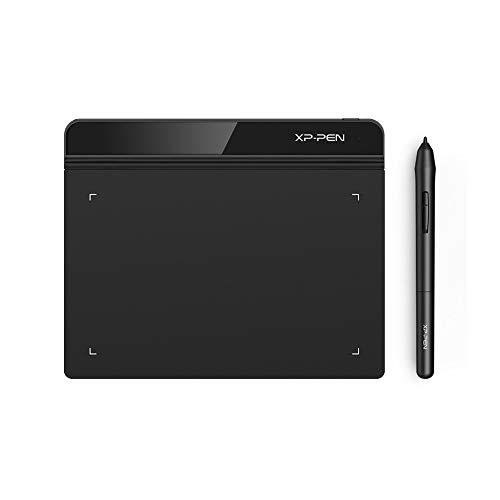
- Slim 2 mm design and 170 g weight suit travel
- Battery-free stylus with 8192 pressure levels
- Supports drawing, teaching, signatures, and remote work
Best For: Portable screenless input for students, teachers, and casual creators
Best Standalone Power – XPPen Magic Drawing Pad
The XPPen Magic Drawing Pad is one of the most capable portable drawing tablets for artists who want a full Android workstation without carrying a computer. Its color-rich, paper-like display, high-resolution stylus input, expandable storage, and long battery life suit detailed work on the move.
Best For: Digital artists who want a standalone tablet for illustration, animation, multitasking, and mobile creation.
Pros:
- Standalone Android 14 design with 8GB RAM and 256GB storage, expandable to 1TB.
- X3 Pro stylus offers 16,384 pressure levels, tilt recognition, and no charging or pairing.
- 12.2-inch 2160 × 1440 AG-etched display provides a paper-like surface with 97% sRGB coverage.
- 8000mAh battery is rated for up to 13 hours of creation.
Cons:
- More expensive and feature-heavy than a basic computer-connected pen display.
- At about 599g, it is portable but not as light as a small sketchbook-style tablet.
The Magic Drawing Pad stands out for artists who value independence and storage flexibility. Its cameras, dual-window support, and Google Play access also make it useful beyond drawing.
Best Pen Experience – Wacom MovinkPad 11
The Wacom MovinkPad 11 is a streamlined choice among portable drawing tablets, combining Android 14, a matte etched display, and a battery-free Pro Pen 3 in a compact standalone design. Its quick-launch workflow is especially convenient for spontaneous sketches and notes.
Best For: Students, illustrators, and sketchers who prioritize Wacom pen handling and a lightweight all-in-one format.
Pros:
- Standalone 11.45-inch Android 14 tablet with 8GB memory and 128GB storage.
- Battery-free Pro Pen 3 provides 8,192 pressure levels, three buttons, and replacement nib storage.
- Matte etched glass reduces glare and fingerprints while adding subtle paper-like texture.
- Tap-and-hold pen launch opens Wacom Canvas for quick sketching or note-taking.
Cons:
- Its 128GB storage is smaller than the XPPen Magic Drawing Pad’s capacity.
- Pressure sensitivity is lower than some competing models in this roundup.
With a weight of about 1.3 pounds and support for several popular digital pens, the MovinkPad 11 is easy to carry. It is a focused option for drawing-first users who want a polished Wacom workflow.
Best for Beginners – PicassoTab X11
The PicassoTab X11 makes portable drawing tablets approachable by pairing an 11-inch standalone design with preloaded creative apps, tutorials, and bundled accessories. Its laminated 2K screen and expandable storage give beginners room to learn without needing a separate computer.
Best For: Students and new digital artists who want guided lessons, useful extras, and an all-in-one drawing tablet.
Pros:
- Standalone 11-inch tablet with a 2560 × 1440 laminated display.
- Includes creative apps, lifetime Concepts Pro and Artixo VIP upgrades, and guided lessons.
- Comes with a case, glove, universal power adapter, and pre-installed screen protector.
- 6GB RAM and 128GB storage can be expanded up to 1TB.
Cons:
- The stylus has 4,096 pressure levels, fewer than the other listed tablets.
- Its custom graphics tablet operating system may offer a less familiar ecosystem than Android models.
The X11 is particularly appealing when the included learning content and accessories matter as much as the hardware. It offers a straightforward starting point for drawing, animation practice, schoolwork, and streaming.
Best Connected Display – HUION Kamvas 13 Gen 3
The HUION Kamvas 13 Gen 3 is a strong pick for shoppers who want portable drawing tablets with a computer-connected workflow. Unlike the standalone models here, it requires a compatible computer or device, but delivers advanced pen input, shortcut controls, a calibrated display, and an included adjustable stand.
Best For: Artists and designers who already work on Windows, macOS, Linux, or compatible Android devices.
Pros:
- Fully laminated 13.3-inch Canvas Glass 2.0 display helps reduce glare and improve accuracy.
- PenTech 4.0 provides 16,384 pressure levels, 2g initial activation force, and three pen buttons.
- 99% sRGB coverage, Rec.709 support, and factory calibration report support color-conscious work.
- Five shortcut keys, dual dial controls, and an adjustable ST300 stand streamline setup.
Cons:
- It is not standalone and must connect to a computer or compatible Android device.
- The listed weight is about 2 pounds, making it heavier than the standalone Wacom model.
The Kamvas 13 Gen 3 is the practical choice for creators who prefer desktop software and direct computer integration. Its display controls and color specifications make it better suited to a structured studio or mobile workstation than independent sketching.
Best Standalone Value – RubensTab T11 Pro
The RubensTab T11 Pro is a practical choice among portable drawing tablets for users who want to sketch without connecting to a computer. Its 10.1-inch Full HD display, Android 12 operating system, built-in apps, and included stand case support both creative work and everyday note-taking.
Best For: Beginners, students, teachers, and artists who need a self-contained tablet for drawing, notes, and travel.
Pros:
- Standalone design works without a computer.
- 10.1-inch 1920×1200 IPS display with wide viewing angles.
- Battery provides up to 5 hours of continuous use and supports USB-C charging.
- Includes a pressure-sensitive, battery-free pen and pre-installed drawing apps.
Cons:
- 1024 pressure levels are lower than those offered by some newer pen displays.
- Listed battery life is up to 5 hours, which may require charging during long sessions.
Choose the RubensTab T11 Pro if independence and versatility matter more than advanced professional pen specifications. Its compact screen and included accessories make it a convenient entry point for portable digital art.
Best Portable Pen Display – XP-Pen Artist 12 3rd
The XP-Pen Artist 12 3rd is a strong option among portable drawing tablets for computer-connected creative work. Its 11.9-inch display combines etched anti-glare glass, full lamination, dedicated dial controls, and a high-precision X4 pen for detailed drawing and design.
Best For: Digital artists, illustrators, photographers, architects, and students who use compatible computers or Android devices.
Pros:
- Lightweight 1.58-pound design with a portable 11.9-inch screen.
- 16,384 pressure levels, 60-degree tilt support, and a battery-free magnetic pen.
- Factory-calibrated 99% sRGB display with ΔE<1.5 color accuracy.
- Dual dial wheels, eight customizable keys, and an included foldable stand improve workflow.
Cons:
- Requires a compatible external device rather than operating as a standalone tablet.
- Its broad compatibility and connection options may require choosing the appropriate included cable.
The Artist 12 3rd is a compelling pick when precise pen response, color accuracy, and physical controls are priorities. It is particularly well suited to users who already work in desktop creative software such as Photoshop, Clip Studio Paint, or Krita.
Best Standalone Performance – HUION KAMVAS Slate 11
The HUION KAMVAS Slate 11 stands out among portable drawing tablets as a full Android device that does not need a computer. It pairs a 10.95-inch FHD+ screen with a 90Hz refresh rate, anti-glare surface, substantial storage, and pre-installed drawing software.
Best For: Artists and designers who want a standalone sketching tablet with stronger multitasking hardware, long battery capacity, and access to Android apps.
Pros:
- Standalone Android 14 tablet with 8GB RAM and 128GB storage, expandable up to 1TB.
- 10.95-inch 1920×1200 display offers 99% sRGB coverage and a smooth 90Hz refresh rate.
- 4096 pressure levels and 60-degree tilt recognition support natural pen control.
- 8000mAh battery, Clip Studio Paint, and ibisPaint X add convenience for mobile work.
Cons:
- Its larger feature set may be more than users need for simple sketching.
- The standalone design is less focused on being a lightweight, computer-connected pen display.
For buyers seeking portable drawing tablets that can also handle general tablet tasks, the KAMVAS Slate 11 offers the most complete standalone setup in this group. Its high-capacity battery, expandable storage, and Android software make it suitable for extended creative use away from a desk.
Best Pen Display – XP-PEN Artist 13.3 Pro V2
For artists who want portable drawing tablets with an integrated display, the XP-PEN Artist 13.3 Pro V2 combines a 13.3-inch FHD screen with a battery-free stylus and flexible connectivity. It is designed for use with compatible computers, Chromebooks, or Android devices rather than as a standalone tablet.
Best For: Digital artists, animators, design students, and remote educators who want to draw directly on screen.
Pros:
- Fully laminated display helps reduce parallax, while the anti-glare film adds a paper-like drawing feel.
- 16,384 pressure levels, low initial activation force, tilt support, and a built-in stylus eraser support detailed work.
- Red dial, eight customizable shortcut keys, foldable stand, replacement nibs, and artist glove are included.
- Supports USB-C direct connections and retains a legacy HDMI setup option.
Cons:
- It requires a compatible computer, laptop, Chromebook, or Android device; it is not standalone.
- The 3-in-1 cable for traditional HDMI setups is sold separately.
The Artist 13.3 Pro V2 is a feature-rich choice for creators who prioritize on-screen drawing, color coverage, and customizable controls. Its dual pen-display and pen-tablet modes also make it adaptable for different workspaces.
Best Standalone Option – RubensTab T12 Drawing Tablet
The RubensTab T12 stands out among portable drawing tablets because it works without a computer. Its 12-inch Full HD laminated display, Android operating system, built-in storage, and pre-installed creative apps make it a self-contained option for drawing on the go.
Best For: Beginners, students, teachers, and artists who want a standalone drawing and entertainment tablet.
Pros:
- No computer is needed, and the tablet includes drawing apps such as Sketchbook, Krita, Infinite Painter, and Flipaclip.
- The 12-inch Full HD fully laminated display reduces parallax and includes an anti-glare coating.
- 6GB of RAM, 128GB of storage, and an octa-core CPU support creative work and general tablet use.
- A case, drawing glove, universal power adapter, and pre-applied screen protector are included.
Cons:
- Its 4,096 pressure levels are lower than those of some dedicated drawing tablets.
- At 1.5 kg, it may be less convenient to carry than smaller pen tablets.
- Software update support is unspecified in the supplied details.
Choose the T12 if independence from a computer is your priority. It offers a broad beginner-friendly package and useful general-purpose hardware, though its larger weight and more modest pressure sensitivity may matter to highly technical artists.
Best Budget Pen Tablet – XP-Pen StarG640
If you need portable drawing tablets for basic sketching, online teaching, signatures, or remote work, the XP-Pen StarG640 is a compact, screenless option. Its 6-by-4-inch active area and slim 2 mm profile make it easy to pack alongside a laptop.
Best For: Students, teachers, remote workers, casual artists, and anyone replacing a mouse for handwriting or digital signatures.
Pros:
- The battery-free stylus needs no charging for uninterrupted drawing and writing.
- 8192 pressure levels support responsive lines for sketching, painting, and editing.
- At approximately 2 mm thick and 170 g, it is especially easy to carry.
- Works with Windows, Mac, and supported Chrome OS devices and suits office, teaching, and conferencing apps.
Cons:
- It has no built-in display, so you must look at the connected computer while drawing.
- The 6-by-4-inch active area is more limited than the screen sizes offered by larger models.
- The supplied notes list USB connectivity, which may require an adapter for some newer devices.
The StarG640 is a practical, lightweight entry point for portable digital input. It is particularly appealing for teaching, signing documents, and everyday note-taking, while artists who need on-screen drawing or a larger workspace should consider a display model.
How We Picked the Best Portable Drawing Tablets
We evaluated these Portable Drawing Tablets by looking at the features that most affect real-world drawing: whether the device works independently, display size and surface finish, pressure sensitivity, pen technology, shortcut controls, battery requirements, operating-system support, and transportability. We also considered different use cases, from casual sketching and student work to professional illustration and photo editing.
A standalone tablet offers the greatest freedom because it includes its own operating system and does not require a separate computer. Display tablets can provide a more focused drawing experience and often deliver better value if you already own a compatible laptop or desktop. Compact non-screen tablets are typically the easiest to carry and store.
Quick Comparison
| Type | Best For | Main Advantage | Watch For |
|---|---|---|---|
| Standalone tablet | Drawing anywhere | No computer required | Battery life, app support, storage |
| Display tablet | Illustration and design | Draw directly on screen | Requires compatible host device |
| Pen tablet | Portable editing and control | Compact and affordable | No built-in display |
Key Buying Factors for Portable Drawing Tablets
Standalone or Computer-Connected
Choose a standalone model if you want to work in cafés, classrooms, or while traveling without carrying a laptop. A connected display tablet is usually better for demanding desktop software, while a basic pen tablet suits users who already have a monitor and want a lightweight input device.
Pen and Drawing Surface
Higher pressure sensitivity can provide finer control over line weight, but pen calibration, tilt support, low latency, and a comfortable tip matter just as much. An anti-glare or etched surface can reduce reflections and create a more paper-like feel.
Size, Weight, and Power
Smaller tablets are easier to pack, while 11- to 13-inch screens provide more room for gestures, references, and detailed work. For standalone models, check charging requirements, expected battery life, storage capacity, and whether the device can run your preferred drawing apps.
Compatibility and Accessories
Confirm support for Windows, macOS, Android, ChromeOS, or your specific creative software before buying. Also check what is included: a stand, replacement nibs, cables, case, shortcut controls, and a battery-free stylus can significantly affect total value.
Who Should Buy Which Portable Drawing Tablets?
Choose the XPPen Magic Drawing Pad, Wacom MovinkPad 11, HUION Kamvas Slate 11, RubensTab T11 Pro, or RubensTab T12 if you want a self-contained drawing device with no computer required. These are the most convenient options for mobile artists and students.
Choose the HUION Kamvas 13 Gen 3, XPPen Artist 12 3rd, or XP-PEN Artist 13.3 Pro V2 if you prefer drawing directly on a larger screen while using a PC, Mac, Chromebook, or supported Android device.
Choose the XPPen StarG640 if portability, simplicity, and low cost matter more than having an integrated display. It is a practical choice for digital signatures, photo editing, online teaching, and beginner drawing workflows.