
The right microphone preamp can make a quiet dynamic microphone sound fuller, cleaner, and easier to record—without forcing you to replace the mic or overhaul your studio.
We compared 10 options for podcasting, including inline gain boosters, compact interfaces, rechargeable units, and microphones with built-in preamps. The best choice depends on your microphone’s output, available phantom power, connection type, and recording workflow.
Best 10 Microphone Preamp for Podcasting Picks for 2026
Best Low-Noise Value

- 19–66dB practical gain range
- Stated -120dBV EIN
- XLR, TRS, TS, and instrument connectivity
Best For: Budget-conscious podcasters needing versatile gain
Best Inline Booster
Cloudlifter CL-1 Mic Activator

- Adds up to +25dB clean gain
- Works with passive dynamic and ribbon mics
- Requires +48V phantom power
Best For: Quiet passive microphones and existing interfaces
Best for Mobile Recording
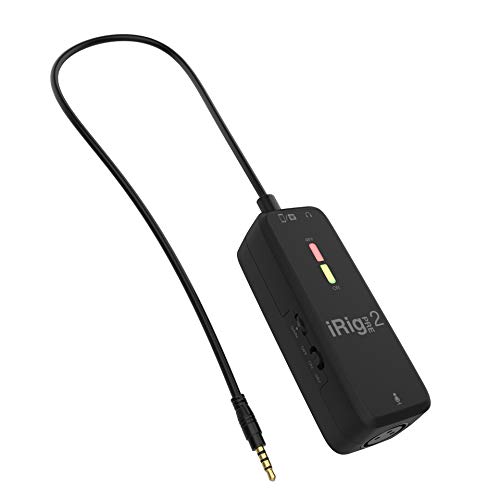
- XLR input for phones, tablets, and cameras
- True +48V phantom power
- Latency-free headphone monitoring
Best For: Mobile podcasters and video creators
Best Simple Gain Booster
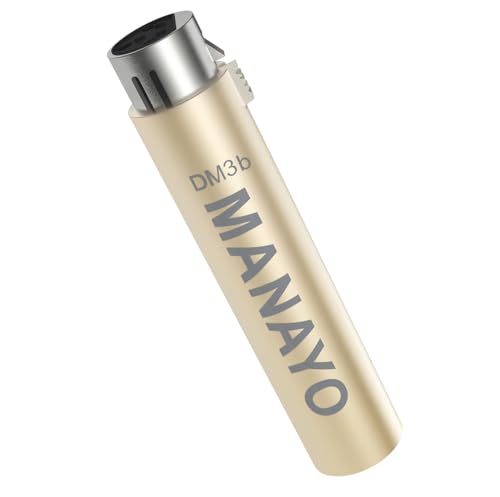
- Adds 28dB of gain
- Built for dynamic and passive ribbon mics
- Simple single-channel XLR design
Best For: Basic inline gain boosting for low-output microphones
Best All-in-One Upgrade

- Built-in +18 dB or +28 dB preamp gain
- Cardioid isolation for focused vocals
- Onboard EQ and rugged shielded build
Best For: Podcasters wanting a premium mic with integrated gain
Best Inline Booster for Dynamic Mics

- Adds up to 29 dB of clean gain
- Designed for dynamic and ribbon mics
- Needs 48V phantom power; excludes condensers
Best For: Low-output dynamic or ribbon microphone setups
Best Compact Versatile Preamp

- Provides 20 dB of balanced gain
- Supports dynamic and condenser microphones
- Compact low-noise metal housing
Best For: Home studios and streamers needing flexible XLR gain
Compact Dynamic Mic Booster

- 25dB clean gain for dynamic and passive ribbon microphones
- Balanced XLR I/O with 48V phantom power compatibility
- Compact EMI/RFI-shielded metal housing
Best For: Podcast setups using low-output dynamic microphones
Rechargeable Dual-Input Booster

- 20dB clean gain from balanced low-noise circuitry
- Two inputs and 48V power support dynamic and condenser microphones
- Compact black metal case for portable setups
Best For: Portable podcasting and streaming rigs
Maximum-Gain Podcast Preamp

- Up to 75dB gain with stated -120dB EIN performance
- Balanced XLR plus independent 3.5mm outputs
- 48V phantom power and high-impedance instrument input
Best For: Quiet-source podcast vocals and flexible output setups
Best Low-Noise Value – RO03 66dB Mic Preamp
The RO03 is a flexible microphone preamp for podcasting when you need substantial gain, low stated noise, and support for multiple source types. Its 19–66dB gain range accommodates dynamic, condenser, and ribbon microphones, while the Type-C power input helps with portable setups. For the lowest noise, connect its output to an audio interface’s TRS line input rather than its XLR input.
Best For: Budget-conscious podcasters and creators who need versatile gain for microphones or instruments.
Pros:
- Offers a practical 19–66dB gain range with a stated -120dBV EIN.
- Supports dynamic, condenser, and ribbon microphones.
- Includes XLR, TRS, and TS outputs, plus a 1MΩ instrument input.
- Type-C power improves portability and power compatibility.
Cons:
- The two input ports cannot be used simultaneously.
- Best noise performance requires the appropriate cable and a TRS line input.
The RO03 stands out as an adaptable, low-budget microphone preamp for podcasting, especially when paired carefully with a compatible audio interface.
Best Inline Booster – Cloudlifter CL-1 Mic Activator
The Cloudlifter CL-1 is a straightforward microphone preamp for podcasting that adds up to 25dB of clean gain to passive microphones. It is designed to work with standard microphone inputs that provide phantom power, while keeping phantom power from reaching compatible passive ribbon microphones.
Best For: Podcasters using quiet dynamic or passive ribbon microphones with an existing audio interface or mixer.
Pros:
- Adds up to +25dB of gain to quiet passive microphones.
- Uses phantom power without passing it through to passive ribbon microphones.
- Designed for podcasting, streaming, radio, live sound, and studio recording.
- Maintains the natural sound of the connected microphone while improving signal strength.
Cons:
- Requires a microphone input with standard +48V phantom power.
- It is an inline activator rather than a complete standalone preamp with broad output options.
If your microphone signal is too quiet, the CL-1 is a focused upgrade that can add usable gain without requiring a larger recording setup.
Best for Mobile Recording – IK Multimedia iRig Pre 2
The iRig Pre 2 is a portable microphone preamp for podcasting with phones, tablets, and cameras. Its XLR input, adjustable Class-A gain, true +48V phantom power, and built-in headphone output make it useful for recording or broadcasting away from a traditional desktop interface.
Best For: Mobile podcasters, video creators, and streamers who need microphone connectivity and direct headphone monitoring.
Pros:
- Connects XLR microphones to iPhone, iPad, Android devices, and cameras.
- Provides true +48V phantom power for condenser microphones.
- Offers direct headphone monitoring without latency or echo.
- Works with a range of recording, streaming, and communication apps.
Cons:
- Runs on two included AA batteries.
- Its compact plastic design is aimed at portability rather than extensive desktop routing.
The iRig Pre 2 is a practical choice when podcasting happens on the move and you want an XLR microphone, phone or camera, and headphones in one compact setup.
Best Simple Gain Booster – MANAYO DM3 Inline Preamp
in-line microphone preamp for Dynamic and Passive Ribbon Microphones (UPGRADE BRASS)
Check Price On AmazonThe MANAYO DM3 is a compact microphone preamp for podcasting designed to add 28dB of gain to dynamic and passive ribbon microphones. With an XLR connection, it fits between the microphone and compatible audio interface or mixer to help amplify a low-level voice signal.
Best For: Podcasters who need a simple inline gain boost for a dynamic or passive ribbon microphone.
Pros:
- Adds a stated 28dB of gain.
- Designed specifically for dynamic and passive ribbon microphones.
- Uses a simple XLR connection with interfaces and mixers.
Cons:
- It is intended for dynamic and passive ribbon microphones, not a broad range of source types.
- Provides a single-channel inline design without the additional outputs or controls of a full preamp.
The DM3 is best viewed as a focused, easy-to-integrate gain booster rather than an all-purpose recording interface.
Best All-in-One Upgrade – Shure SM7dB
If you want a microphone preamp for podcasting without adding another box to your signal chain, the Shure SM7dB combines its familiar dynamic vocal sound with selectable onboard gain. Its cardioid pattern, shock isolation, and shielding are designed to help keep spoken-word recordings focused and clean.
Best For: Podcasters and streamers who want a premium dynamic microphone with built-in gain and tone controls.
Pros:
- Built-in selectable +18 dB or +28 dB gain can reduce the need for an external booster.
- Cardioid pickup and air suspension help reject background noise, reflections, and handling vibration.
- Bass-roll-off and mid-range presence switches provide convenient tone shaping.
- Rugged metal construction includes electromagnetic shielding and a detachable windscreen.
Cons:
- It is a complete microphone solution rather than a standalone preamp for an existing mic.
- It requires an XLR connection and corded power.
The SM7dB is the most streamlined choice here for buyers who want the recognizable SM7-style vocal approach while avoiding a separate inline gain booster. Its integrated controls and durable build make it a strong fit for a dedicated podcast setup.
Best Inline Booster for Dynamic Mics – StudioMan DPM1
The StudioMan DPM1 is a compact microphone preamp for podcasting setups built around low-output dynamic or ribbon microphones. It adds up to 29 dB of gain between the microphone and interface or mixer, helping you avoid pushing a noisy input preamp too hard.
Best For: Podcasters using a dynamic or ribbon microphone with an interface or mixer that supplies 48V phantom power.
Pros:
- Provides up to +29 dB of clean, transparent gain.
- Compact plug-and-play XLR design fits between a microphone and interface.
- Metal housing helps with durability and interference shielding.
- Works with standard XLR dynamic microphones and compatible interfaces or mixers.
Cons:
- Requires 48V phantom power, which is not included.
- It is not designed for condenser microphones.
- It does not replace a microphone, interface, or mixer.
Choose the DPM1 when your existing dynamic or ribbon mic sounds too quiet and your interface becomes noisy at high gain. Confirm that your interface supplies phantom power, and do not use this booster as a condenser-microphone solution.
Best Compact Versatile Preamp – 20dB XLR Mic Booster
This compact microphone preamp for podcasting provides 20 dB of balanced gain and supports both dynamic and condenser microphones. Its 48V power provision, low-noise circuit, and small black metal housing make it a straightforward option for home studios, recording, podcasting, and live streaming.
Best For: Creators who need a small XLR booster that can accommodate both dynamic and condenser microphones.
Pros:
- Offers 20 dB of clean, transparent gain.
- Supports both dynamic and condenser microphones with 48V power.
- Fully balanced circuitry is designed for low-noise operation without added coloration.
- Compact, lightweight metal case is easy to carry and helps reduce EMC interference.
Cons:
- The supplied details do not identify the exact power-input method or included accessories.
- Its 20 dB gain is lower than the StudioMan DPM1’s listed 29 dB.
This model is a practical choice when microphone compatibility matters more than maximum boost. Its compact form and support for condenser microphones give it broader flexibility than dynamic-only inline activators, while the balanced design targets clean signal enhancement.
Compact Dynamic Mic Booster – StudioMan CL-100
If you need a microphone preamp for podcasting with a dynamic or passive ribbon microphone, the StudioMan CL-100 focuses on straightforward, clean signal boosting. Its 25dB gain, balanced XLR connections, and compact metal housing make it a practical addition to an interface, mixer, or recording setup.
Best For: Podcasters and home-studio users who need a compact XLR booster for low-output dynamic microphones.
Pros:
- Provides up to 25dB of clean gain for dynamic and passive ribbon microphones.
- Balanced XLR input and output support connection to interfaces, mixers, and recording devices.
- Compact metal chassis offers EMI/RFI shielding in a desk-friendly design.
- Supports 48V phantom power and includes a 10Hz–20kHz frequency response.
Cons:
- Designed specifically for dynamic and passive ribbon microphones rather than being a general-purpose preamp.
- Offers less maximum gain than some higher-gain alternatives.
The CL-100 is a focused choice when your podcast microphone needs a moderate boost before reaching an interface or mixer. Its simple XLR workflow and small footprint suit fixed studios and portable recording rigs alike.
Rechargeable Dual-Input Booster – High-Gain Mic Preamp
This microphone preamp for podcasting is built around clean 20dB amplification, low-noise balanced circuitry, and support for both dynamic and condenser microphones. Its rechargeable, compact design can be useful for home studios, live streams, and recording setups where portability matters.
Best For: Podcasters who want a portable XLR booster with two inputs and support for dynamic and condenser microphones.
Pros:
- Offers 20dB of clean, transparent gain with a fully balanced circuit.
- Includes 48V power for compatibility with dynamic and condenser microphones.
- Two inputs provide added flexibility for multi-microphone setups.
- Lightweight black metal casing is compact and designed to reduce EMC interference.
Cons:
- The listed 20dB gain may be less suitable for microphones requiring a very large boost.
- The supplied notes do not specify battery runtime or charging details.
This model emphasizes portability and broad microphone compatibility rather than maximum gain. It is a sensible fit for creators who move between podcasting, streaming, and compact recording environments.
Maximum-Gain Podcast Preamp – JCANOL MIC-1
For a microphone preamp for podcasting that can handle especially quiet sources, the JCANOL MIC-1 offers up to 75dB of stated gain and -120dB EIN performance. It also adds balanced XLR and 3.5mm outputs, making it adaptable to studio interfaces and compact recording devices.
Best For: Podcasters using low-output dynamic microphones who need substantial gain and multiple output formats.
Pros:
- Provides up to 75dB of clean, transparent gain for quiet microphones.
- Uses a stated -120dB EIN design for low-noise recording performance.
- Offers balanced XLR output plus independent 3.5mm mic and line outputs.
- Includes 48V phantom power and a 1MΩ high-impedance instrument input.
Cons:
- The two input ports cannot operate simultaneously.
- Its broader output and input options may be more than a simple single-mic setup requires.
- The supplied notes do not specify included accessories.
The MIC-1 stands out for gain range and connection flexibility. It is particularly compelling for demanding dynamic microphones, while the 3.5mm outputs can simplify connections to portable devices and computers.
How We Picked the Best Microphone Preamp for Podcasting
We focused on the factors that have the greatest effect on real-world podcast recording: usable gain, noise performance, microphone compatibility, power requirements, connection type, and ease of installation. The lineup includes simple XLR boosters for dynamic microphones, versatile preamps that support condenser models, portable adapters for phones and cameras, and integrated solutions such as a dynamic microphone with a built-in preamp.
Gain specifications were considered alongside practical usability. More gain is helpful only when it remains quiet and controlled, while a low-noise design is especially important when recording spoken-word content close to the microphone. We also considered whether each option requires 48V phantom power and whether it fits a desktop, mobile, or travel setup.
Quick Comparison
- Inline boosters: Best for adding clean gain to low-output dynamic or passive ribbon microphones.
- Portable interfaces: Better for phones, tablets, cameras, and mobile podcasting.
- Standalone preamps: Useful when you need adjustable gain, multiple inputs, or broader microphone support.
- Integrated preamp microphones: Convenient when you want a simpler signal chain and a consistent voice-recording setup.
Key Buying Factors for a Microphone Preamp for Podcasting
Gain and Noise
Dynamic and passive ribbon microphones often need substantial clean gain. Check the preamp’s maximum gain and noise claims, but remember that microphone sensitivity, speaking distance, and room noise also affect the result. A high-gain model is not automatically better if it introduces hiss near the top of its range.
Phantom-Power Requirements
Many inline boosters require 48V phantom power from an audio interface or mixer, even though they pass that power through to the connected microphone. Confirm that your interface can supply phantom power. Condenser microphones also need phantom power, while some dynamic and ribbon microphones do not.
Connections and Compatibility
Most studio podcast systems use balanced XLR connections. If you record directly to a phone, tablet, or DSLR camera, choose an adapter or interface designed for that device and verify its operating-system and connector requirements. Avoid assuming that a basic XLR booster can replace a complete recording interface.
Inputs, Portability, and Controls
A single inline preamp is sufficient for one host and microphone. Two-input or rechargeable models make more sense for interviews, remote work, or setups where AC power is inconvenient. Look for sturdy connectors, simple gain control, and a form factor that fits your desk or travel bag.
Who Should Buy Which Microphone Preamp for Podcasting?
Choose an inline booster if your dynamic or passive ribbon microphone sounds too quiet and you already own an interface with phantom power. Choose a standalone preamp if you need more flexibility, multiple inputs, or support for both dynamic and condenser microphones.
Choose a portable adapter for mobile recording with a phone, tablet, or camera. Choose a microphone with an integrated preamp if you want fewer separate components and a streamlined setup. For serious podcasting, prioritize clean gain, dependable XLR connectivity, and compatibility with your existing interface over the highest advertised gain number.