
If you want a sharper, more immersive virtual reality experience, high-resolution displays matter. The best vr headsets with 4k resolution can reduce screen-door effect, improve text clarity, and make sim racing, flight, and premium gaming feel more detailed.
This roundup focuses on buyer-friendly picks across standalone and PC VR, so you can match display quality, tracking, comfort, and ecosystem support to your setup.
Best 10 Vr Headsets with 4K Resolution Picks for 2026
Editor’s Pick
Meta Quest 3 512GB Gorilla Tag Bundle

- 4K+ Infinite Display with nearly 30% higher resolution
- Standalone wireless play with Snapdragon XR2 Gen 2
- Includes 512GB storage, 8GB RAM, and mixed reality passthrough
Best For: Standalone buyers who want a versatile VR headset with sharp visuals and mixed reality
Premium PCVR

- 3840 x 3840 resolution per eye for extreme clarity
- QLED+MiniLED panel with local dimming and wide FOV
- Built for PCVR with eye tracking and tracker support
Best For: PC VR users who prioritize ultra-sharp visuals and simulator immersion
Standalone Value
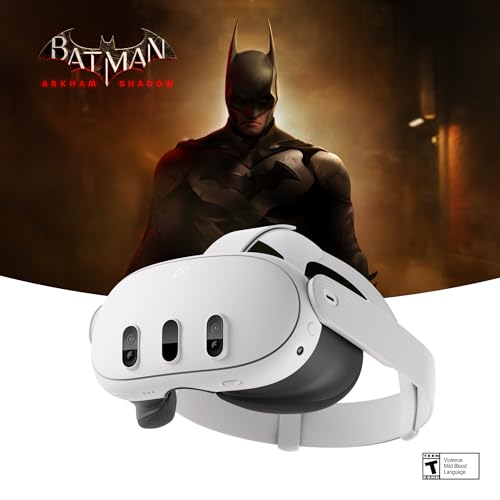
- 4K Infinite Display with strong mixed reality support
- Wireless standalone headset with Snapdragon XR2 Gen 2
- 512GB storage and 8GB RAM for gaming and fitness
Best For: Buyers who want a standalone headset with strong visuals and broad everyday use
Sim Racing Choice

- 3840 x 3840 resolution per eye for crisp image detail
- 127° HFOV with Labs mode up to 138°
- Automatic IPD and bundled controllers for easier setup
Best For: PCVR users who want ultra-sharp visuals and a wide field of view
Wireless Mixed Reality Pick

- Standalone wireless VR headset
- 3664 x 3840 max display resolution
- 8GB RAM with mixed reality passthrough
Best For: Standalone VR and mixed reality gaming
High-Detail Sim Choice
Pimax Crystal Super VR Headset
- 3840x3840 per eye display
- 140° field of view for simulators
- PC VR with eye tracking and DisplayPort
Best For: PC sim and racing fans
Renewed Budget Standalone
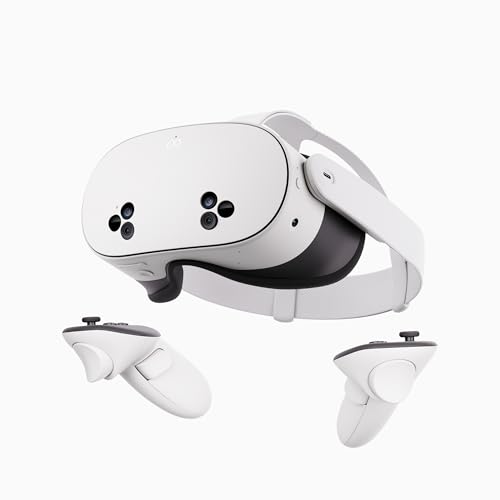
- Standalone Quest headset with wireless play
- 2064 × 2208 max resolution
- Renewed premium value option
Best For: Budget VR shoppers who want Quest basics
Best for sim-focused PC visuals
Pimax Crystal Light for Flight Sims & Gaming
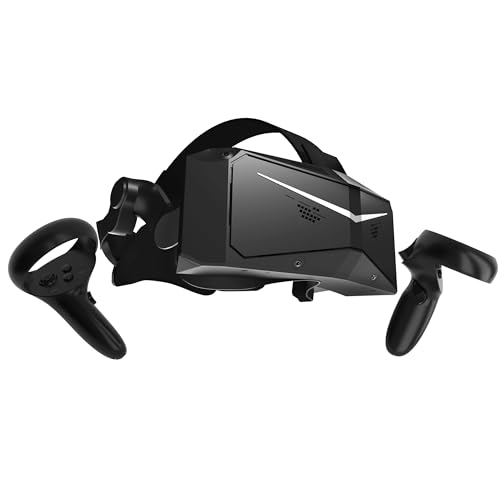
- 2880 x 2880 per eye QLED panels
- Up to 120Hz with local dimming and HDR
- SteamVR compatible with inside-out tracking
Best For: PC sim and racing fans who want sharp, high-contrast visuals
Best for standalone mixed reality
Meta Quest Pro with Field Trips

- Standalone headset with mixed reality passthrough
- Pancake lenses, local dimming, and quantum dot tech
- 256GB storage and Touch Pro controllers
Best For: Standalone VR users who want mixed reality and premium Meta features
Best for extreme PC clarity
Pimax Dream Air Slam Ultra-High-Resolution VR

- 3840 x 3552 resolution per eye
- Micro-OLED with ConcaveView optics
- Lightweight PC VR headset with eye tracking
Best For: Enthusiasts who want the highest-detail PC VR image possible
Editor’s Pick – Meta Quest 3 512GB Gorilla Tag Bundle
If you want vr headsets with 4k resolution that also stay simple to use, the Meta Quest 3 is a strong all-around pick. It offers a sharp 4K+ Infinite Display, wireless freedom, and enough performance for gaming, fitness, and mixed reality without needing a PC.
Best For: Standalone buyers who want a versatile VR headset with sharp visuals, mixed reality, and a large game library.
Pros:
- 4K+ Infinite Display with a nearly 30% leap in resolution
- Snapdragon XR2 Gen 2 processor for faster load times and smoother play
- Wireless, standalone design with full-color passthrough
- Includes 512GB storage, 8GB RAM, and Touch Plus controllers
Cons:
- Battery life is listed at about 2.2 hours
- Not built around the ultra-high-PPI PCVR focus of premium simulator headsets
This bundle is a practical choice if you want a headset that balances visual quality, portability, and mixed reality features. The included game trial and Gorilla Tag extras make it especially appealing for new Quest buyers.
Premium PCVR – Pimax Crystal Super 57PPD
For shoppers comparing vr headsets with 4k resolution, the Pimax Crystal Super is built for maximum image clarity on PC. Its 3840 x 3840 resolution per eye, QLED+MiniLED display, and wide field of view are aimed at flight sim and PCVR users who care most about sharp detail.
Best For: PC VR users who prioritize ultra-sharp visuals, simulator immersion, and advanced tracking options.
Pros:
- 3840 x 3840 resolution per eye for very high clarity
- 57PPD display with QLED+MiniLED and local dimming for strong contrast
- 106° horizontal field of view for immersive PCVR gameplay
- Eye tracking and optional tracker support add flexibility
Cons:
- Designed for PC connection, not standalone use
- Refresh rate is listed up to 90Hz, which may matter to competitive players
This headset makes the most sense if your priority is visual fidelity over convenience. It is especially compelling for simulation fans who want a large, detailed view and are already set up for PCVR.
Standalone Value – Meta Quest 3 Batman Bundle
The Meta Quest 3 is a straightforward choice if you want vr headsets with 4k resolution in a wireless, all-in-one package. It delivers a sharp 4K Infinite Display, mixed reality support, and upgraded performance for gaming and fitness without the hassle of cables.
Best For: Buyers who want a standalone headset with strong visuals, mixed reality, and broad everyday use.
Pros:
- 4K Infinite Display with a nearly 30% resolution increase
- Snapdragon XR2 Gen 2 processor for next-gen performance
- Wireless standalone design with full-color passthrough
- Includes 512GB storage and 8GB RAM
Cons:
- Battery life is listed at about 2.4 hours
- Best suited to general VR and mixed reality rather than high-end PC simulator use
For most users, this version of Quest 3 is the easiest entry into high-resolution VR. The included Batman: Arkham Shadow offer adds value, but the core appeal is still the headset’s balance of clarity, speed, and untethered convenience.
Sim Racing Choice – Pimax Crystal Super Wired
If you are shopping for vr headsets with 4k resolution and want a PC-first design, this Pimax Crystal Super version is built for detail-heavy gaming. Its 3840 x 3840 per-eye resolution, wide field of view, and adjustable IPD are aimed at users who want an immersive and highly customizable setup.
Best For: PCVR users who want ultra-sharp visuals, a wide field of view, and easy fit adjustments.
Pros:
- 3840 x 3840 resolution per eye for crisp detail
- Wide field of view with 127° HFOV and Labs mode up to 138°
- Automatically adjustable IPD from 58 to 72mm
- Includes two controllers, a removable face cushion, and two face pads
Cons:
- Wired PC connection only
- Refresh rate is listed at 72Hz or 90Hz, depending on mode
This model is best viewed as a high-end PCVR tool rather than a casual all-purpose headset. If your priority is sharpness, field of view, and simulator-friendly comfort, it fits that brief very well.
Wireless Mixed Reality Pick – Meta Quest 3S 256GB
If you want vr headsets with 4k resolution for easy, untethered play, the Meta Quest 3S 256GB is a practical standalone option. It does not claim true 4K panels, but it does offer a display maximum resolution of 3664 x 3840 pixels, plus full-color passthrough and the Snapdragon XR2 Gen 2 chip for smoother gaming.
Best For: Standalone VR buyers who want wireless convenience, mixed reality, and strong everyday gaming performance.
Pros:
- Standalone design with no wires for freer movement
- Display maximum resolution of 3664 x 3840 pixels for sharp visuals
- Dual RGB color cameras for high-fidelity passthrough
- 8GB RAM and Snapdragon XR2 Gen 2 for faster load times
Cons:
- Battery life is about 2.5 hours, so longer sessions may need charging
- Resolution is below true 4K-per-eye headsets
- Best fit is standalone play rather than PC-powered simulation
This is the better pick if you value convenience and mixed reality over maximum panel resolution. It balances strong specs, included storage, and wireless flexibility for a broad range of VR use cases.
High-Detail Sim Choice – Pimax Crystal Super VR Headset
For buyers comparing vr headsets with 4k resolution, the Pimax Crystal Super is the closest match here, with 3840×3840 per eye and a QLED plus Mini-LED display setup. It is built for PC VR over DisplayPort, and its 140-degree field of view and eye tracking make it especially appealing for simulation-focused gaming.
Best For: PC sim fans who want very high per-eye resolution, wide immersion, and wired performance.
Pros:
- 3840×3840 resolution per eye for extremely sharp imagery
- 140-degree field of view for strong peripheral immersion
- QLED and Mini-LED display with local dimming
- Eye tracking and adjustable IPD for more advanced comfort and performance tuning
Cons:
- Wired DisplayPort connection limits mobility
- Designed for PC VR, so it is not a standalone headset
- Best value is concentrated in sim and PC gaming use cases
If your priority is sharpness and immersion over portability, this headset stands out. It is the strongest option in this group for users who want a premium PC-based visual experience.
Renewed Budget Standalone – Meta Quest 3S 128GB Renewed
If you want vr headsets with 4k resolution on a tighter budget, the renewed Meta Quest 3S 128GB is a straightforward standalone option to consider. It uses the same Quest 3S platform and Snapdragon XR2 Gen 2 chipset, but its display maximum resolution is 2064 × 2208 pixels, so it is more of a value play than a true 4K-resolution headset.
Best For: Budget-minded buyers who want wireless VR, hand tracking, and a familiar Quest experience.
Pros:
- Standalone wireless design for cord-free use
- Snapdragon XR2 Gen 2 chipset for responsive performance
- Hand tracking and touch controller support
- Renewed premium listing can be a lower-cost entry point
Cons:
- Lower 2064 × 2208 maximum resolution than 4K-class headsets
- 128GB storage is smaller than the 256GB version
- Field of view is 96 degrees, which is narrower than some rivals
This is the budget-oriented choice in the lineup, especially if you want the Quest ecosystem without paying for extra storage. It makes the most sense when value and wireless convenience matter more than display resolution.
Best for sim-focused PC visuals – Pimax Crystal Light for Flight Sims & Gaming
If you want vr headsets with 4k resolution for PC simulation and high-detail gaming, the Pimax Crystal Light is built around sharp image quality rather than portability. Its 2880 x 2880 per-eye QLED panels, local dimming, and glass aspheric lenses are aimed at delivering strong contrast and edge-to-edge clarity for demanding titles like flight sims and iRacing.
Best For: PC VR users who prioritize crisp visuals, high refresh rates, and SteamVR compatibility for sims and driving games.
Pros:
- 2880 x 2880 resolution per eye with 16.6 million pixels for very detailed visuals
- QLED display with local dimming and HDR for higher contrast and vivid color
- Up to 120Hz refresh rate for smoother, more responsive motion
- Inside-out camera tracking and SteamVR compatibility, including Valve Index Knuckles and HTC VIVE controllers
Cons:
- Designed for PC VR, so it is not a standalone headset
- At about 815 grams, it is heavier than lightweight compact options
- Performance-focused features may be overkill for casual VR use
The Crystal Light is a strong pick if your priority is visual clarity and simulation-friendly performance over convenience. For buyers comparing vr headsets with 4k resolution, this model stands out by pairing very high pixel density with features aimed at serious PC VR play.
Best for standalone mixed reality – Meta Quest Pro with Field Trips
The Meta Quest Pro is not a true 4K-class choice, but it can still fit buyer searches for vr headsets with 4k resolution if you want a premium standalone headset with strong mixed reality features. Its appeal comes from pancake lenses, local dimming, quantum dot technology, and a high-resolution passthrough system that supports work, social use, and VR experiences in one device.
Best For: Users who want a standalone Meta headset for mixed reality, social features, and general VR use with premium optics.
Pros:
- Pancake lenses plus local dimming and quantum dot technology for improved visual clarity
- High-resolution mixed reality passthrough for seeing the real world while using VR/MR apps
- 256GB storage, 12GB RAM, and 10 sensors for capable standalone performance
- Touch Pro controllers with self-tracking cameras and advanced haptics
Cons:
- 1920 x 1080 per-eye resolution is lower than true 4K-class headsets
- 90Hz refresh rate is solid, but not class-leading for high-end PC VR
- Its value depends heavily on using Meta Quest OS and the included field trip content
This headset makes sense if you want premium standalone features more than maximum pixel count. It is better viewed as a flexible mixed reality device than as a pure ultra-high-resolution gaming headset.
Best for extreme PC clarity – Pimax Dream Air Slam Ultra-High-Resolution VR
If your search for vr headsets with 4k resolution is really about getting the sharpest possible PC VR image, the Pimax Dream Air Slam pushes well beyond basic 4K-style specs with 3840 x 3552 per eye. Its Micro-OLED display, Pimax ConcaveView optics, and eye-tracking support are aimed at users who want maximum detail in a compact PC VR headset.
Best For: PC VR enthusiasts who want extremely high resolution, eye tracking, and a lightweight headset for gaming and immersive experiences.
Pros:
- 3840 x 3552 resolution per eye for exceptionally detailed visuals
- Micro-OLED screen with Pimax ConcaveView optics for sharp image quality
- Eye tracking and DFR-ready design for performance optimization
- Very light at 170 g with integrated spatial audio and dual fans
Cons:
- Requires a compatible Windows PC and DisplayPort/USB setup
- 90Hz refresh rate is good, but lower than some high-refresh VR options
- Hardware requirements are specific, so it is not an easy plug-and-play choice
This is a premium pick for users who care most about pixel density and PC VR performance. Among vr headsets with 4k resolution, it is one of the most aggressive options for clarity-focused buyers.
How We Picked These Vr Headsets with 4K Resolution
We focused on headsets that deliver near-4K or true 4K-class clarity per eye, along with practical factors that affect real-world use: field of view, tracking quality, refresh rate, comfort, PC compatibility, and software support. We also considered whether a headset makes sense for casual play, productivity, or demanding sim use.
Quick Comparison
Not every headset here serves the same buyer. Standalone models tend to be easier to use and better for all-in-one convenience, while PC VR options usually offer higher visual fidelity and stronger performance for flight and racing simulators. If your priority is image sharpness, look closely at panel resolution, lens quality, and how well the headset handles text and distant detail.
Key Buying Factors for Vr Headsets with 4K Resolution
Resolution and Optics
Raw pixel count is only part of the story. Good lenses, edge-to-edge clarity, and low distortion are just as important as display specs. For Vr Headsets with 4K Resolution, prioritize devices that stay crisp in the center and remain usable across the full field of view.
Field of View and Immersion
A wider field of view can make games and simulators feel more natural, but it may also increase system demands. If you play cockpit-style titles, a broader view can be a major advantage.
Tracking and Input
Inside-out tracking is convenient and usually easier to set up. External tracking can be preferable for precision-heavy use, especially if you value consistent controller or headset motion in competitive or simulation scenarios.
Comfort and Fit
Higher-resolution headsets can still feel cumbersome if the weight distribution is poor. Check strap design, facial interface comfort, and whether the headset is suitable for long sessions.
PC or Standalone Use
Choose standalone if you want simplicity and portability. Choose PC VR if your goal is maximum image quality and you already have a capable gaming PC.
Who Should Buy Which Vr Headsets with 4K Resolution?
Buy a standalone headset if you want easy setup, wireless flexibility, and broad everyday use. Choose a PC-focused model if you care most about visual detail and simulation performance. If you mainly play fast-paced games, balance resolution with refresh rate and comfort. If you spend hours in flight or racing sims, prioritize clarity, optics, and headset stability over extra features you may not use.
In short, the best option is the one that matches your platform, your play style, and how much visual fidelity you can actually use day to day.