
Scratching demands headphones that stay secure during movement, isolate the mix from booth noise, and make timing details easy to hear. The right pair should also tolerate repeated handling without becoming uncomfortable during longer sessions.
We compared 10 DJ and studio headphone options across fit, driver design, cable practicality, isolation, durability, and value to help beginners, mobile DJs, and experienced turntablists choose with confidence.
Best 10 Dj Headphones for Scratching Picks for 2026
Balanced Booth Pick
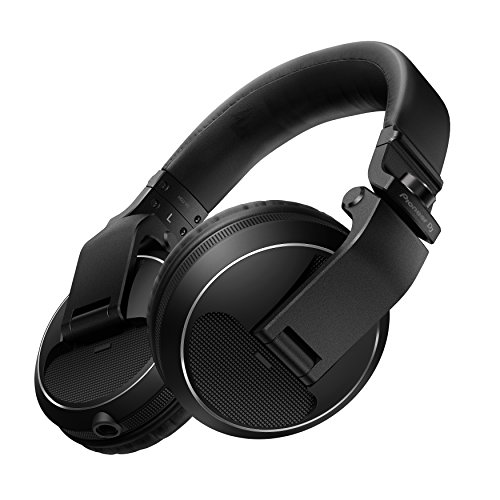
- 40 mm drivers for clear cueing
- Swivel earcups for one-ear monitoring
- Foldable and built for regular use
Best For: Beginners and everyday DJ practice
One-Ear Scratching Specialist

- Dedicated one-ear DJ construction
- 50 mm neodymium driver
- Swivel cup with sound isolation
Best For: Cueing and scratching with one ear open
Studio Monitoring Alternative

- Closed-back circumaural isolation
- 40 mm drivers with enhanced lows
- Single-side cable exit
Best For: Home practice and studio-oriented monitoring
Lightweight Starter Option
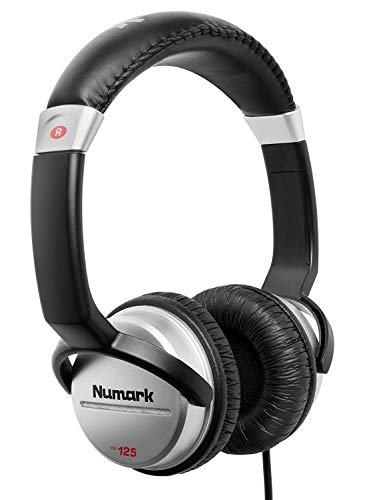
- Lightweight design with padded cushions
- Seven adjustable position settings
- Includes quarter-inch adapter
Best For: Entry-level mixing and practice
Scratch-Ready Classic
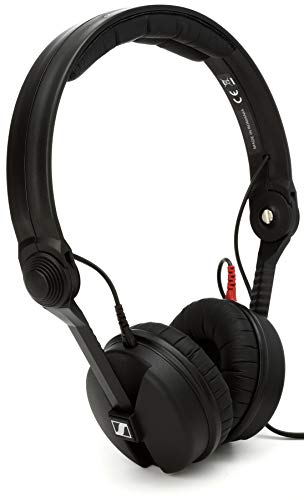
- Lightweight 140 g on-ear design
- High sensitivity with strong SPL handling
- Detachable single-sided cable
Best For: Portable DJ monitoring and scratching
Flexible Club Monitor

- 57 mm drivers for detailed sound
- Rotates for single-ear monitoring
- Includes 1/8-inch and 1/4-inch connectors
Best For: Over-ear DJing and studio monitoring
Versatile Value Pick

- 50 mm drivers with powerful bass
- 90° swiveling cups for single-ear monitoring
- Dual 3.5 mm and 6.35 mm compatibility
Best For: Flexible DJ, instrument, and studio use
Performance Pick

- Closed-back circumaural isolation
- Rotating earcups for one-ear monitoring
- Coiled cable with 3.5 mm and 6.35 mm support
Best For: DJs needing isolation and practical performance features
Versatile Monitor
OneOdio A71D Wired DJ Headphones
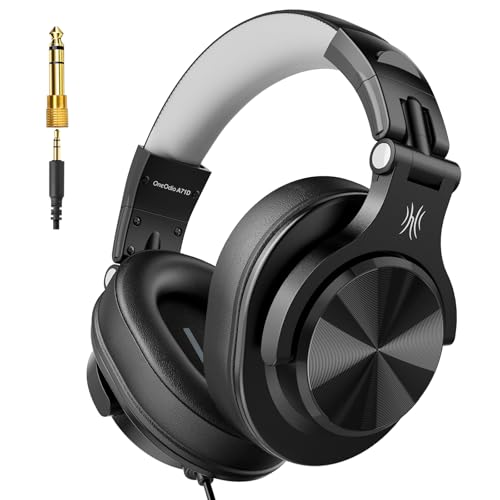
- 90-degree swiveling earcups
- 40mm drivers with bass and clear mids
- Foldable design with 2.2m cable
Best For: DJs and creators needing flexible wired monitoring
Budget Studio Option
TASCAM TH-02 Studio Monitor Headphones
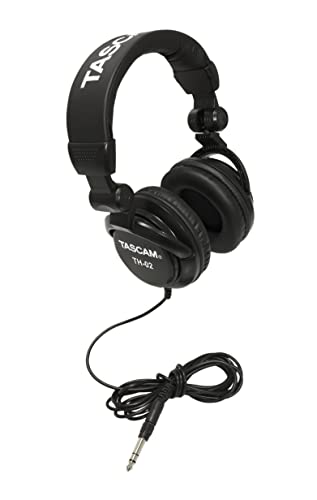
- Closed-back dynamic design
- Foldable for compact transport
- Includes 3.5 mm-to-6.3 mm adapter
Best For: Budget-conscious DJs and home recordists
Balanced Booth Pick – Pioneer DJ HDJ-X5
The Pioneer DJ HDJ-X5 is a practical choice for DJs who want reliable monitoring while learning how to cue, beatmatch, and scratch. Its 40 mm drivers, passive isolation, and swivel earcups support clear monitoring in louder rooms, while the foldable design is convenient for transport.
Best For: Beginners and regular users who want versatile DJ headphones for scratching and one-ear monitoring.
Pros:
- 40 mm dynamic drivers provide clear, accurate monitoring.
- Swivel earcups make one-ear cueing quick and natural.
- Passive noise isolation helps keep monitoring focused.
- Foldable, durable design suits practice and gig use.
Cons:
- Wired operation may be less convenient than a wireless setup.
- At 2.1 pounds, it is heavier than some lightweight alternatives.
Choose the HDJ-X5 if you want an all-around DJ headphone with useful booth features and enough durability for frequent practice.
One-Ear Scratching Specialist – Reloop RHP-10 Mono
Reloop RHP 10 Mono One-Ear Headphone with 50mm Neodymium Driver | 50mm Neodymium Driver
Check Price On AmazonThe Reloop RHP-10 Mono is designed around one-ear DJ monitoring, making it especially suited to DJs who need to keep one ear open while scratching or cueing. Its 50 mm neodymium driver, swivel-mounted ear cup, and sound isolation provide a focused, practical monitoring setup.
Best For: DJs who prefer dedicated one-ear headphones for scratching, cueing, and booth monitoring.
Pros:
- Professional one-ear construction supports quick cueing.
- 50 mm neodymium driver delivers strong monitoring performance.
- Swivel ear cup and padded handle improve handling flexibility.
- Water-resistant faux leather ear pads add practical durability.
Cons:
- One-ear design is less versatile for full stereo listening.
- XLR connectivity may require compatibility with your DJ equipment or an adapter.
If one-ear monitoring is central to your technique, the RHP-10 Mono offers a purpose-built alternative to conventional over-ear DJ headphones.
Studio Monitoring Alternative – Audio-Technica ATH-M20x
The Audio-Technica ATH-M20x is a closed-back studio monitor headphone that can also serve DJs seeking sound isolation during practice and scratching. Its 40 mm drivers are tuned for enhanced low frequencies, and the circumaural fit helps reduce distraction in louder environments.
Best For: Home practice, tracking, and DJs who want a studio-oriented headphone with closed-back isolation.
Pros:
- 40 mm drivers are tuned for enhanced low-frequency performance.
- Circumaural closed-back design provides sound isolation.
- Single-side cable exit helps keep the connection organized.
- Advanced build quality suits studio tracking and mixing.
Cons:
- It lacks the swivel-earcup feature highlighted on some dedicated DJ models.
- The 3 m cable may be excessive for compact setups.
- It is designed primarily for studio use rather than DJ-specific handling.
The ATH-M20x makes sense when accurate studio-style monitoring and isolation matter more than dedicated booth conveniences such as swivel cups.
Lightweight Starter Option – Numark HF125
The Numark HF125 is a lightweight, straightforward option for DJs who need basic monitoring for practice, mixing, or scratching. Its closed-back design, padded ear cushions, adjustable positioning, and included quarter-inch adapter make it easy to connect to common DJ equipment.
Best For: Beginners and budget-conscious users who want simple wired headphones for mixing and audio playback.
Pros:
- Lightweight construction helps reduce fatigue during practice.
- Seven independently adjustable position settings accommodate different preferences.
- Closed-back design and padded cushions support focused monitoring.
- Six-foot cable and included 1/8-inch-to-1/4-inch adapter improve compatibility.
Cons:
- Hard-wired cable cannot be detached or replaced.
- It does not list dedicated swivel-earcup functionality for one-ear cueing.
- Its 90-day warranty is shorter than the warranties listed for the other models.
The HF125 is a sensible entry-level pick when low weight, broad connector compatibility, and uncomplicated wired monitoring are the priorities.
Scratch-Ready Classic – Sennheiser HD 25
The Sennheiser HD 25 is a compact, lightweight option for DJs looking for reliable dj headphones for scratching. Its closed-back, on-ear design provides passive sound isolation, while the high sensitivity and strong sound-pressure handling suit demanding DJ environments.
Best For: DJs who prioritize lightweight comfort, sound isolation, and durable on-ear monitoring.
Pros:
- Very lightweight at 140 g for extended sessions.
- High 120 dB sensitivity and support for very high sound pressure levels.
- Closed-back design with passive sound isolation.
- Detachable, single-sided cable and included 3.5-to-6.3 mm jack adapter.
Cons:
- On-ear earpads may provide less coverage than over-ear alternatives.
- Wired-only connectivity limits wireless use.
- 70-ohm impedance may be less convenient for some low-powered devices.
For scratching and cueing, the HD 25 combines low weight, isolation, and a detachable single-sided cable in a proven DJ-focused format. It is a strong fit when portability and long-session comfort matter more than large over-ear earcups.
Flexible Club Monitor – Gemini DJX-500
The Gemini DJX-500 offers a practical over-ear design for shoppers comparing dj headphones for scratching and studio work. Its closed-back construction helps reject ambient sound, while rotating joints support flexible single-ear monitoring during live sets.
Best For: DJs who want over-ear isolation, rotating cups, and compatibility with both 3.5 mm and 1/4-inch connections.
Pros:
- Large 57 mm dynamic drivers for punchy bass and detailed sound.
- 90° horizontal and 180° vertical rotating joints enable single-ear monitoring.
- Closed-back design provides passive noise isolation.
- Includes 1/8-inch and 1/4-inch connectors for mixers, interfaces, and instruments.
Cons:
- Wired-only operation does not provide wireless convenience.
- 80-ohm impedance may require suitable source equipment for full output.
- Over-ear construction can be bulkier than lightweight on-ear DJ models.
The DJX-500 is particularly useful when scratching requires quick single-ear monitoring and a secure, isolated fit. Its rotating design and dual connector options make it versatile for both DJ booths and recording setups.
Versatile Value Pick – OneOdio Pro-10
The OneOdio Pro-10 is a versatile wired choice for dj headphones for scratching, mixing, and general studio monitoring. Its 50 mm drivers, 90° swiveling ear cups, and dual-size jack support make it easy to move between DJ mixers, instruments, and everyday devices.
Best For: DJs and home producers seeking large drivers, single-ear monitoring, and broad wired compatibility.
Pros:
- 50 mm drivers with neodymium magnets deliver powerful bass, vocals, and highs.
- 90° swiveling ear cups support single-ear DJ monitoring.
- Compatible with 3.5 mm and 6.35 mm audio connections.
- Includes a detachable cable, protective case, and adjustable padded headband.
Cons:
- At 415 g, it is substantially heavier than the HD 25.
- Wired-only operation limits wireless flexibility.
- Sound isolation is passive rather than active noise cancellation.
The Pro-10 stands out for flexibility: the swiveling cup helps with scratching techniques, while the dual jack system works with common DJ and studio equipment. Its heavier over-ear build is best suited to buyers who value coverage and connectivity over minimal weight.
Performance Pick – Hercules HDP DJ45
For DJs who need reliable dj headphones for scratching, the Hercules HDP DJ45 combines closed-back sound isolation with rotating earcups for practical one-ear monitoring. Its coiled, single-sided cable also helps keep the setup manageable during performances.
Best For: DJs who prioritize isolation, flexible monitoring, and a performance-friendly cable.
Pros:
- Circumaural closed-back design helps isolate sound around the ears.
- Rotating earpieces support comfortable one-ear monitoring.
- Coiled cable extends from about 3.3 feet to more than 6.6 feet.
- Foldable earcups and included 3.5 mm and 6.35 mm connectivity support portability and compatibility.
Cons:
- The 60-ohm impedance may not be as convenient as lower-impedance options with every source.
- At 0.6 kg, it is heavier than the other listed models.
- It is wired and not water resistant.
The HDP DJ45 is a focused choice for scratch-oriented DJ use, particularly when isolation and one-ear cueing matter. Its weight may be worth considering for longer sessions.
Versatile Monitor – OneOdio A71D Wired DJ Headphones
The OneOdio A71D is a versatile option among dj headphones for scratching, with 90-degree swiveling earcups for single-ear monitoring and 40mm drivers tuned for deep bass, clear mids, and crisp highs. Its long cable suits mixers, amps, computers, and other wired setups.
Best For: DJs and creators who want a comfortable, portable wired headphone for mixing, monitoring, and home use.
Pros:
- 90-degree swiveling earcups support single-ear monitoring.
- 40mm drivers are designed to deliver deep bass, clear mids, and crisp highs.
- Soft padded earcups, an adjustable headband, and a foldable design support comfort and portability.
- The 2.2-meter cable and 3.5 mm-to-6.35 mm adapter fit a broad range of equipment.
Cons:
- The cable is non-detachable.
- It is wired rather than wireless.
- The supplied notes do not specify a dedicated DJ coiled cable.
With its light 0.34 kg build and flexible compatibility, the A71D makes sense for DJs who also record, mix, play instruments, or listen from a computer. The single-sided cable is less adaptable than a detachable design.
Budget Studio Option – TASCAM TH-02 Studio Monitor Headphones
The TASCAM TH-02 offers a straightforward approach to dj headphones for scratching, pairing a closed-back dynamic design with a padded headband and ear pads. Its foldable construction and included 3.5 mm-to-6.3 mm adapter make it practical for compact storage and common audio equipment.
Best For: Budget-minded DJs, musicians, and home recordists who want a simple wired over-ear monitor.
Pros:
- Closed-back design provides passive noise isolation.
- 50mm drivers are specified with a 18 Hz–22 kHz frequency range.
- Foldable construction supports compact transport.
- Includes a snap-on 3.5 mm-to-6.3 mm adapter for compatible inputs.
Cons:
- The supplied notes do not mention swiveling earcups for one-ear monitoring.
- The cable is retractable rather than described as a DJ-style coiled cable.
- It is wired and not water resistant.
The TH-02 is a practical entry-level monitoring choice when closed-back sound, portability, and basic connectivity matter more than specialized DJ controls. Scratch DJs who rely heavily on one-ear cueing may prefer a model with rotating earcups.
How We Picked the Best Dj Headphones for Scratching
We focused on features that matter during real scratching sessions rather than relying on studio specifications alone. Our evaluation considered how easily each headphone can support one-ear monitoring, how securely it fits while moving, and whether its closed-back design helps separate the cue signal from room noise. We also looked at driver size, cable flexibility, connector compatibility, build quality, portability, and overall value.
No single pair is ideal for every DJ. Some models prioritize lightweight comfort and strong isolation, while others offer larger earcups, more spacious sound, or a lower-cost entry point. Treat the product sections above as the detailed shortlist, then use the criteria below to narrow your choice.
Quick Comparison
- Best for traditional DJ handling: Look for swiveling or easily positionable earcups and a secure fit.
- Best for loud environments: Choose closed-back cups with effective passive isolation.
- Best for portability: Favor lightweight construction, a compact design, and a durable cable.
- Best for beginners: Prioritize comfort, straightforward wired connectivity, and sensible pricing.
- Best for studio crossover use: Choose balanced sound and comfortable over-ear padding for longer sessions.
Key Buying Factors for Dj Headphones for Scratching
Fit and One-Ear Monitoring
Scratching often requires listening to the record or cue track with one ear while keeping awareness of the room. Swiveling earcups, compact on-ear designs, and flexible headbands can make this technique easier. The headphones should remain stable without requiring excessive clamping force.
Isolation and Sound Balance
Closed-back headphones are generally the practical choice for DJs because they reduce competing sound from speakers and nearby performers. A clear midrange helps with vocals, snares, and timing cues, while controlled bass makes it easier to judge the beat without overwhelming detail.
Durability and Cable Design
DJ headphones are frequently folded, rotated, packed, and unplugged. Reinforced hinges, replaceable or sturdy cables, strain relief, and a reliable headband are valuable. Check the included connector and adapter as well, especially if you switch between a mixer, controller, laptop, or audio interface.
Comfort and Weight
Lightweight headphones may be preferable for mobile work, while larger over-ear pads can provide better isolation and comfort for extended practice. Consider glasses, hairstyle, and session length when judging clamp pressure and earcup size.
Who Should Buy Which Dj Headphones for Scratching?
Scratch-focused turntablists should prioritize secure, maneuverable headphones with effective isolation and easy one-ear positioning. Beginners and casual DJs can save money with a simple wired closed-back model, provided it fits comfortably and includes the required adapter. Mobile DJs should look for rugged construction, a practical cable, and low weight. Producers and recording enthusiasts may prefer a more comfortable over-ear design with balanced sound that also works for monitoring and editing.
Before buying, confirm the connector, return policy, replacement-pad availability, and intended device compatibility. For most users, a comfortable closed-back fit and dependable physical design will matter more than an impressive maximum power rating.